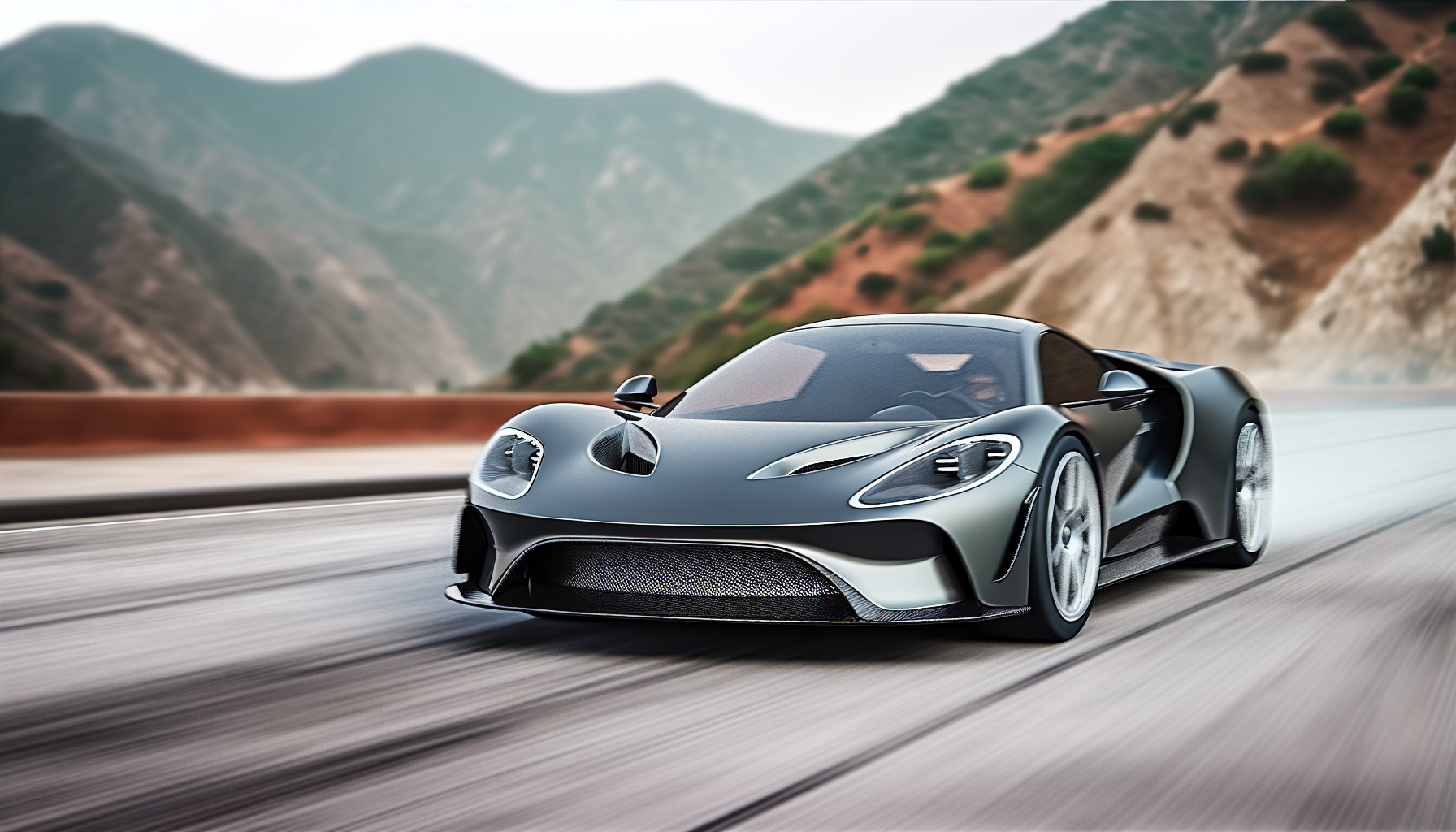
Porsche has become synonymous with luxury and high-performance automobiles. Founded by Ferdinand Porsche in the 1930s, the brand has continually pushed the boundaries of automotive engineering. This article delves deep into Porsche’s fascinating history, iconic models, and their enduring influence on the automotive industry.
The Origins of Porsche
Ferdinand Porsche founded the Dr. Ing. h.c. F. Porsche GmbH in 1931, setting the stage for one of the most esteemed names in automotive history. Initially, the company focused on automotive consulting and engineering, leveraging Porsche’s extensive technical background, which included work on numerous automotive innovations. The introduction of the Volkswagen Beetle remains a pivotal moment not only for Porsche but for the entire automotive industry. Commissioned by the German government in the early 1930s, the Beetle was envisioned as the people’s car. Ferdinand Porsche’s engineering prowess allowed for a design that combined affordability with functionality, establishing a template for mass production that transformed car manufacturing globally.
Porsche’s early years were marked by collaboration with a myriad of automotive entities, fostering relationships that helped solidify its reputation as an engineering powerhouse. Key figures, including Ferdinand’s son, Ferry Porsche, played instrumental roles in bringing these ambitious projects to fruition. As the company expanded its influence, it delved deeper into the realm of performance-oriented vehicles, laying the groundwork for future innovations.
However, the advent of World War II brought immense challenges. During the war years, the focus shifted primarily to military vehicles, particularly the Volkswagen Kübelwagen and the amphibious Schwimmwagen, which utilized the company’s engineering expertise. This shift was fraught with ethical dilemmas, as wartime efforts often involved forced labor, raising questions about the brand’s social responsibility.
Despite these challenges, the war ultimately served as a catalyst for Porsche’s future. Post-war, interest in high-performance sports cars surged, and the company’s engineering foundation proved invaluable. The evolution from consultancy to a prestigious sports car manufacturer was underway, setting the stage for a legacy that would redefine automotive excellence.
The Iconic Models and Innovations
The evolution of Porsche’s iconic models reflects a commitment to performance, design, and innovation that has left an indelible mark on the automotive landscape. The Porsche 356, introduced in 1948, is often hailed as the brand’s first true production car. Designed by Ferdinand “Ferry” Porsche, the 356 featured a lightweight fiberglass body and a rear-engine layout, which presented a new driving dynamic. Its air-cooled, flat-four engine originally produced just 40 horsepower, a modest figure compared to contemporary standards, yet mastery in engineering ensured remarkable agility and handling. The 356’s success not only showcased Porsche’s engineering prowess but also paved the way for the blossoming sports car segment.
The advent of the Porsche 911 in 1964 marked a revolutionary moment in the realm of sports cars. Designed with a signature sloping nose and rounded headlights, the 911’s aesthetic has become a timeless classic. Beneath its sleek exterior lies a robust, air-cooled flat-six engine ranging from 130 horsepower in its early iterations to over 600 horsepower in modern versions, including the formidable 911 Turbo S. Known for its rear-engine configuration, the 911 delivers unique driving characteristics and heightened responsiveness, earning it a reputation in motorsport and among enthusiasts alike.
Throughout its history, Porsche has continuously advanced its technology. Porsche Stability Management (PSM), adaptive aerodynamics, and advanced turbocharging techniques have enhanced performance and handling. The 911 has been a dominant force in motorsport, winning numerous competitions, including the prestigious 24 Hours of Le Mans, solidifying its legacy as one of the most beloved sports cars. Each iteration of the 911 not only embraces innovation but also maintains the essence of what makes a Porsche: a thrilling driving experience accentuated by exceptional engineering, ensuring that its influence is felt across the global automotive industry.
The Modern Era and Future of Porsche
Porsche’s evolution into the modern luxury vehicle segment is marked by a strategic pivot that both honors its legendary heritage and embraces contemporary demands. The introduction of the Cayenne in 2002 was a watershed moment for the brand, merging Porsche’s performance pedigree with the practicality of an SUV. This decision not only diversified the lineup but also significantly increased the brand’s profitability and appeal to a broader audience. The Cayenne’s success paved the way for further SUV offerings, such as the Macan, illustrating Porsche’s adeptness at integrating luxury and performance into larger formats without compromising its core principles.
As the automotive landscape shifts towards electrification, Porsche has responded decisively with the Taycan, its first fully electric sports car. With exceptional engineering, the Taycan embodies Porsche’s relentless pursuit of performance, boasting features like dual electric motors and an 800-volt architecture that delivers astonishing acceleration and range. The vehicle symbolizes Porsche’s commitment to innovation, demonstrating that electric mobility can coexist with the exhilarating driving experience that enthusiasts expect from the brand.
Strategic collaborations with Volkswagen have also played a pivotal role in shaping Porsche’s contemporary trajectory. This partnership has facilitated shared technology and resources, enabling both brands to leverage economies of scale and accelerate the development of electric and hybrid vehicles. This synergy is particularly evident in the development of the Volkswagen ID series and Porsche’s Advanced Driver Assistance Systems, embedding cutting-edge technology into both brands while maintaining their unique selling propositions.
Porsche’s commitment to sustainability extends beyond electrification; it encompasses a holistic approach to production processes and vehicle lifecycle management. By investing in renewable energy and aiming for climate-neutral production, Porsche is addressing environmental challenges head-on. This proactive stance not only reinforces its brand ethos but also positions the company favorably in an increasingly eco-conscious marketplace, ensuring it remains a leader in the automotive industry as it navigates the complexities of modernization and consumer expectations.
Conclusions
Porsche’s commitment to performance and innovation has solidified its status as a leader in the automotive world. From the original 356 to the modern Taycan, the brand’s evolution reflects a perfect blend of tradition and cutting-edge technology. As Porsche continues to innovate, its legacy as a maker of exceptional sports cars remains unshakable.