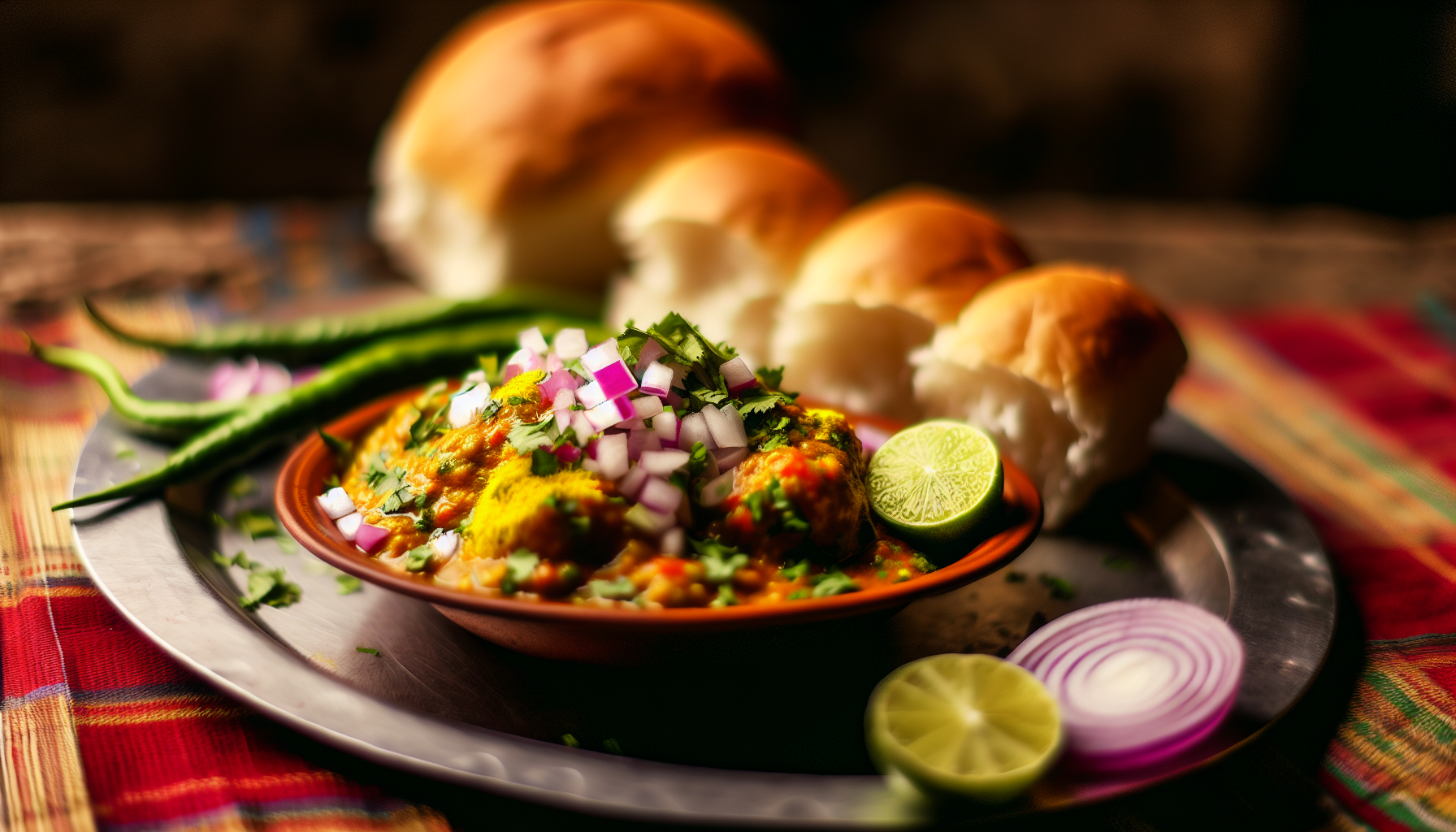
Pav bhaji is not just a dish; it’s a flavorful journey that began in the bustling streets of Mumbai. This delightful combination of spicy vegetable curry and soft bread rolls has become a beloved staple across India and beyond. In this article, we will delve into its origins, how it’s made, and the various innovative twists on this classic.
The Origin and Evolution of Pav Bhaji
Pav bhaji, a beloved street food from Mumbai, has a fascinating origin story that traces back to the bustling textile mills of the 1850s. It emerged as a quick, nutritious meal for the laborers who worked long hours, necessitating an affordable and hearty dish that could be prepared rapidly. As the demand for quick sustenance grew, vendors in the vicinity began to whip up a spicy vegetable mash, served alongside soft bread rolls known as pav. This simple yet flavorful concoction resonated with the working class, giving birth to what we now know as pav bhaji.
Initially, the dish was a humble affair, characterized by the use of easily available vegetables such as potatoes, tomatoes, and peas, seasoned with a medley of spices. Street vendors would cook the bhaji on large, flat griddles, toasting the pav on the same surface, resulting in an irresistible combination of textures. Over the years, pav bhaji gained traction not only among workers but also became a popular choice for families enjoying a meal out. Its appeal spread beyond Mumbai, making it a quintessential part of Indian street food culture.
As pav bhaji’s popularity soared, it transitioned from street carts to restaurants, where it underwent various transformations. Chefs began experimenting with different ingredients, adding bell peppers, carrots, and even innovative twists such as cheese and butter, further enhancing its flavor profile. The dish evolved into various regional versions, each capturing local tastes and preferences. This evolution reflects the dynamic nature of Indian cuisine, where traditional recipes continuously adapt and integrate new elements.
The cultural significance of pav bhaji extends beyond being just a meal; it symbolizes the spirit of Mumbai itself—vibrant, diverse, and unpretentious. It stands as a testament to Mumbai’s working-class ethos, where culinary invention thrives amidst the challenges of urban life. Today, it is not uncommon to witness families enjoying pav bhaji at bustling food stalls, or in elegant restaurants, showcasing its versatility and widespread popularity.
As pav bhaji continues to captivate food lovers across India and the world, its journey from a quick meal for textile workers to a celebrated dish in Indian cuisine encapsulates the rich history and communal spirit of Mumbai. The humble pav bhaji is not merely food; it represents the heart of a city that never sleeps, where culinary traditions are cherished and continuously reborn.
How to Prepare Authentic Pav Bhaji
To prepare authentic pav bhaji, it’s essential to understand both the selection of key ingredients and the cooking methods that bring this dish to life. The foundation of pav bhaji lies in a variety of vibrant vegetables, spices, and the right preparation techniques.
Key ingredients usually include a mix of potatoes, peas, bell peppers, tomatoes, and onions. These vegetables are the core of the bhaji, giving it both flavor and texture. Spices are critical for authenticity, and a typical spice mix includes cumin seeds, turmeric powder, red chili powder, and garam masala. A dash of lemon juice and a garnish of fresh coriander enhance the bhaji’s refreshing flavor, while a dollop of butter stirred in at the end elevates the richness.
The preparation method differs significantly between street vendors and home cooks. Street vendors often cook in large, flat pans over open flames, which allows for high heat and quick cooking, resulting in a smoky flavor known as “tandoor bhaji.” The vegetables are boiled and mashed, then combined with sautéed onions and tomatoes. Vendors have their unique masalas that they prepare in bulk, giving their bhaji a signature taste.
Home cooks, on the other hand, usually work on a smaller scale and may not have access to the same level of heat as street vendors. They often prepare bhaji on a stovetop, first boiling the chopped vegetables separately, then cooking them in oil with onions and spices. For perfect texture, it is crucial to mash the vegetables adequately; a good quality potato masher or a traditional ‘pestle’ works best.
To achieve the perfect flavor in bhaji, timing is key. Sautéing the onions until golden brown enhances sweetness, while the tomatoes should be cooked down thoroughly to create a thick base. Adding the spices at the right moment—when the oil separates from the mixture—ensures that they infuse fully. Incorporating a bit of butter toward the end gives the dish a glossy finish and a rich mouthfeel.
One tip for the home cook is to let the bhaji rest for a few minutes after cooking; this allows the flavors to meld together beautifully. When serving, ensure the pav, or bread, is toasted with butter until golden on the edges—this not only adds a delightful crunch but also creates an indulgent contrast to the soft, spicy bhaji. With these techniques, the spirit of Mumbai’s street food can be recreated right in your kitchen.
Exploring Variants of Pav Bhaji
Pav bhaji, while often celebrated for its original form, has evolved over the years, giving rise to a plethora of enticing variants that cater to diverse palates and dietary preferences. This diversity showcases the dish’s adaptability and the creativity inherent in Indian cuisine. Among the most popular alternatives is **cheese pav bhaji**, which has found favor among cheese lovers. In this variant, a generous helping of grated or sliced cheese is melted into the bhaji, creating a creamy texture that enhances the rich flavors of the vegetables and spices. The sight of cheese stretching from a buttery pav to the bhaji is a testament to its indulgence, making it a sought-after treat, especially among younger audiences.
In stark contrast, **Jain pav bhaji** offers a delightful variant for those adhering to Jain dietary restrictions, which exclude root vegetables. This adaptation replaces potatoes, carrots, and beets with vegetables like capsicum, green peas, and tomatoes. Jain pav bhaji maintains the core essence of the traditional dish while respecting dietary customs, demonstrating that flavors need not be compromised even with ingredient limitations.
The regional adaptations of pav bhaji further illustrate its versatility. In certain coastal cities, one might find **seafood pav bhaji**, where ingredients like prawns or fish are incorporated into the mix. Here, the bhaji absorbs the distinct flavors of the ocean, while the pav is often served with a hint of garlic butter, creating a delightful fusion of textures and tastes.
In Mumbai, the sellers sometimes introduce a burst of masala by adding **pav bhaji masala** with a twist, incorporating unique local spices that reflect regional influences, enhancing its already robust flavor profile. The use of **paneer** in variants provides a rich texture and extends its appeal across vegetarian communities, melding perfectly with the spicy bhaji.
Moreover, **lasagna pav bhaji** has emerged as an inventive take, layering traditional pav bhaji within sheets of pasta, topped with cheese and baked to a golden brown. This creative interpretation not only preserves the essence of pav bhaji but also introduces it to those who might be more inclined towards Italian cuisine, bridging cultural culinary divides.
These variants of pav bhaji not only reflect the evolving tastes and preferences of patrons but also honor the dish’s rich heritage, underscoring the notion that food is indeed a canvas for creativity. The modifications ensure that everyone can indulge in the warmth and comfort that pav bhaji promises, regardless of their dietary choices.
Conclusions
Pav bhaji stands as a testament to India’s rich culinary heritage, transforming a simple meal into a beloved street food experience. Whether enjoyed as a midday snack or a hearty meal, its popularity endures. As we explored its history and variations, it’s clear that pav bhaji remains a favorite worth savoring.